
Best Material Choices Depend on Water, Slip Safety, Budget, and Daily Use
The best materials for bathroom tile installation depend on where the tile will go, how much water the space gets, and how much wear it sees each day. Floors need strong, slip-resistant tile. Shower walls need materials that handle water well and clean up easily. In many homes, porcelain is a smart pick for floors, while ceramic and porcelain both work well for walls. Natural stone can look great, but it often needs more care.
Quick decision answer
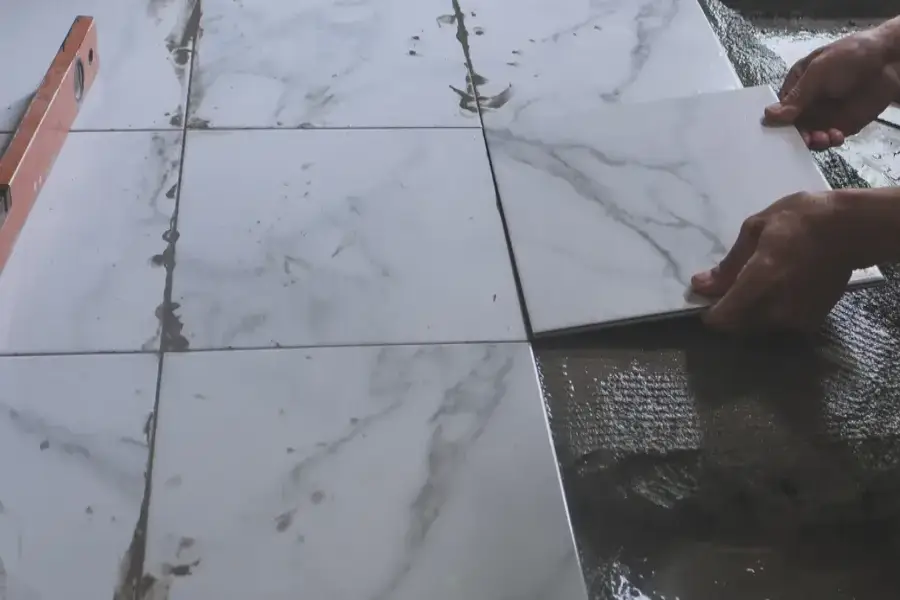
If you want a simple answer, choose porcelain for busy bathroom floors and wet areas. It is dense, durable, and stands up well to water. Ceramic can be a good fit for walls and lighter-use spaces. Glass tile is often used for accents or backsplashes. Natural stone can add a high-end look, but it needs sealing and regular care. Good bathroom tile installation starts with matching the material to the job, not just picking the look you like most.
Porcelain vs ceramic and other common choices
Most people compare porcelain and ceramic first, and that makes sense. They look similar, but they do not perform the same way in every spot. Porcelain is usually tougher and less likely to absorb water. Ceramic is often easier to cut and may cost less, though this article is not about pricing. Glass and stone are also common choices, but they are best for specific uses.
- Porcelain: great for floors, shower areas, and busy bathrooms
- Ceramic: good for walls, low-moisture areas, and simple designs
- Glass: best for accents, borders, and backsplashes
- Natural stone: beautiful, but needs more upkeep and sealing
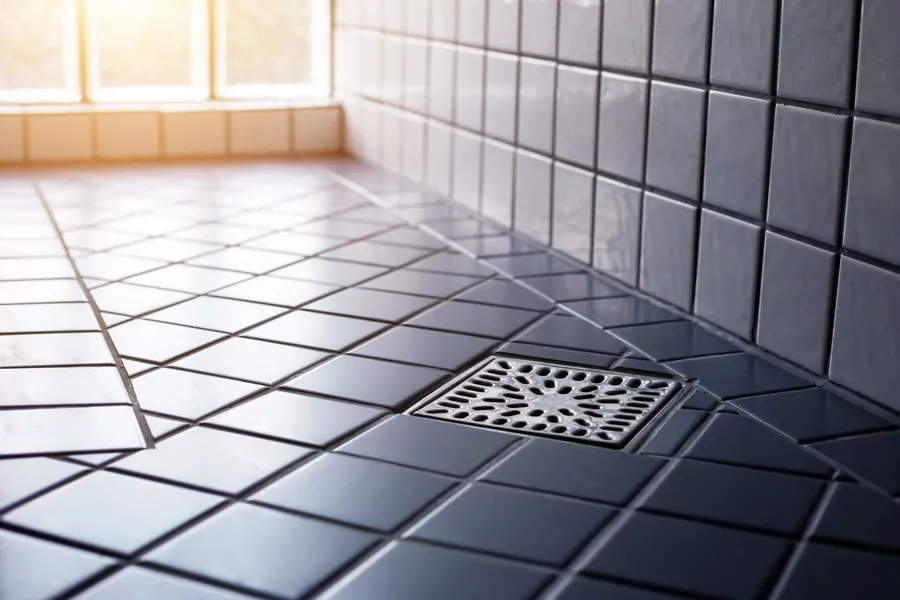
- Mosaic tile: useful for shower floors because small tiles add grip
If you are comparing surface feel, size matters too. Large tiles can make a small bathroom look bigger. Small tiles can help on shower floors because they follow the slope better and offer more traction.
Pros and cons of each material
Each tile type has strong points and weak points. A good choice depends on your bathroom habits, cleaning routine, and design goals.
- Porcelain pros: strong, water-resistant, low maintenance, good for floors
- Porcelain cons: harder to cut, heavier than some options
- Ceramic pros: many style choices, easier to work with, good for walls
- Ceramic cons: not always the best pick for heavy floor use
- Glass pros: bright look, easy to wipe clean, nice for accents
- Glass cons: can show smudges and is not always right for floors
- Stone pros: natural beauty, one-of-a-kind look
- Stone cons: needs sealing, can stain, may be slippery when polished
Do not forget grout and underlayment. These are part of the service category keyword and matter just as much as the tile itself. The wrong grout can stain or crack. The wrong base under the tile can lead to movement and broken joints.
Best fit by bathroom use and layout
A hall bathroom used by kids needs different materials than a guest bath used once a week. A shower floor needs more grip than a dry wall area. A bathroom with poor airflow may need materials that handle moisture better.
For a main bathroom floor, porcelain is often the safest all-around choice. For shower walls, ceramic or porcelain both work well. For shower floors, many people use textured mosaics because they help with grip and fit the slope toward the drain. For an accent strip or niche, glass can add color without taking over the whole room.
If the bathroom is small, light-colored tile may help the room feel more open. If the room gets dirty fast, very dark glossy tile may show soap spots and dust more than you expect. That is why style should come after function.
Mistakes people make when choosing materials
One common mistake is picking tile based only on appearance. A smooth polished tile may look nice in a showroom, but it may be too slick for a bathroom floor. Another mistake is using a wall tile on the floor. Floor-rated tile is made to handle weight and foot traffic.
People also forget about maintenance. Natural stone may need more attention than they want to give. White grout can look clean at first but may be harder to keep looking fresh in a busy bathroom. Very large tiles can be harder to install on small shower floors with a slope.
Another problem is not thinking about the whole assembly. Good bathroom tile installation is more than tile. It includes waterproofing, substrate prep, layout planning, grout choice, and proper sealing when needed. If one part is wrong, the finished space may not last as long as it should.
Final decision checklist
Before choosing your materials, ask these questions:
- Will this tile go on the floor, wall, shower, or accent area?
- How much water will this area get every day?
- Does the surface need extra slip resistance?
- How much cleaning and upkeep do you want?
- Is the tile rated for the use you have planned?
- Will the tile size work with the room layout and drain slope?
- Have you picked grout, trim, and waterproofing materials that fit the tile?
If you can answer those questions, you will be much closer to the right material choice. A bathroom should not just look good on day one. It should also hold up well after months and years of daily use.
Get help with your next project
If you are planning a bathroom update in Salisbury, NC, we can help you sort through the best material options for your space. At Maro Construction Services Company, we help homeowners choose surfaces that fit real daily use, from shower floors to wall tile and grout details. Call us at (516) 462-5158 if you want help with bathroom tile installation that looks good and works well for the long run.